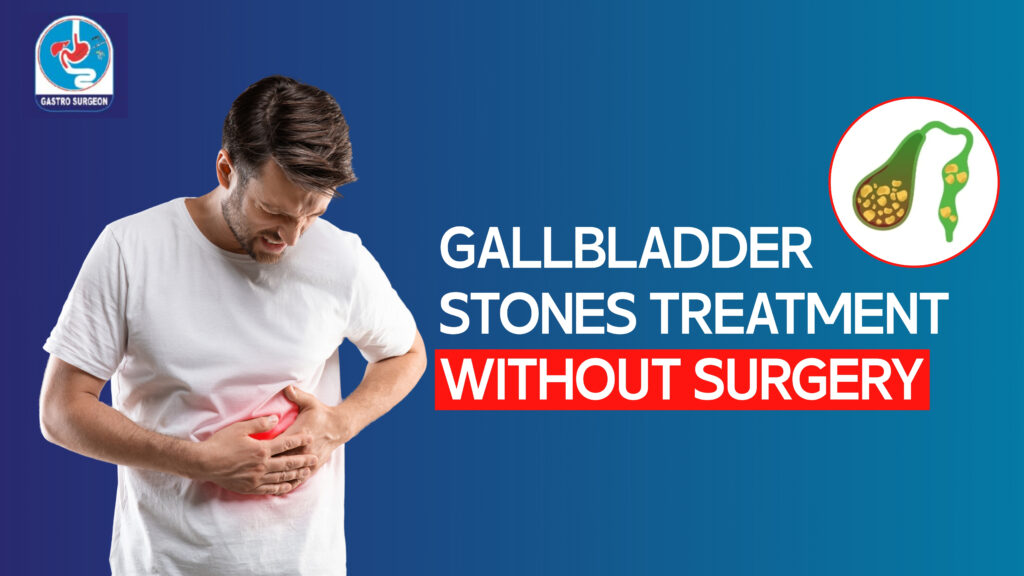
Gallbladder stones, commonly known as gallstones, are a frequent digestive health problem affecting millions of people worldwide. These small, hard deposits form in the gallbladder, a small organ located under the liver that helps store bile used in digestion. While some gallstones remain silent and cause no symptoms, others can lead to severe abdominal pain, nausea, and digestive issues.
Many patients who are diagnosed with gallstones often worry that surgery is the only treatment option. However, in certain cases, Gallbladder Stones can be removed using non-surgical methods that help control symptoms and prevent complications.
Non-surgical treatment options may include medications, lifestyle changes, dietary modifications, and medical monitoring. These approaches are usually recommended when gallstones are small, asymptomatic, or when surgery is not immediately required.
Advances in gastroenterology have made it possible to manage some gallbladder conditions without surgery, especially when diagnosed early. However, it is essential to consult an experienced gastroenterologist who can determine the most appropriate treatment plan based on the patient’s condition.
In this article, we will explore the causes, symptoms, diagnosis, and non-surgical treatment options for gallbladder stones, helping patients understand when surgery can be avoided and how to maintain better digestive health.
What Are Gallbladder Stones?
Gallbladder stones are hardened deposits formed from digestive fluids in the gallbladder. They can vary in size, ranging from tiny grains to large stones several centimeters wide.
Gallstones typically form when:
- Bile contains too much cholesterol
- The gallbladder does not empty properly
- There is an imbalance in bile salts
These stones can block the bile ducts, leading to pain and inflammation.
Some people may have gallstones for years without symptoms, while others experience sudden attacks of pain known as gallbladder attacks.
Understanding the nature of gallstones is the first step toward determining whether non-surgical treatment is possible.
Common Causes of Gallbladder Stones
Gallstones develop due to multiple factors related to diet, metabolism, and genetics.
Some common causes include:
High Cholesterol Levels
Excess cholesterol in bile can crystallize and form gallstones.
Obesity and Rapid Weight Loss
Sudden weight loss or obesity can disrupt bile composition, increasing the risk of stone formation.
Poor Diet
Diets high in fatty foods and low in fiber may contribute to gallstone formation.
Hormonal Factors
Women, especially during pregnancy or hormone therapy, are at higher risk.
Family History
Genetics also play a role in gallstone development.
Understanding these risk factors helps in preventing future complications and choosing appropriate treatment options.
Symptoms of Gallbladder Stones
Gallstones may not always cause symptoms. However, when they block the bile duct, patients may experience severe discomfort.
Common symptoms include:
- Sudden pain in the upper right abdomen
- Pain between the shoulder blades
- Nausea and vomiting
- Indigestion and bloating
- Fever in severe cases
These symptoms often appear after eating fatty meals.
If gallstones cause repeated pain or complications, medical intervention may become necessary.
Diagnosis of Gallbladder Stones
Doctors use several diagnostic tests to confirm the presence of gallstones.
Ultrasound
Ultrasound is the most common and effective imaging test used to detect gallstones.
CT Scan
A CT scan provides detailed images of the gallbladder and surrounding organs.
Blood Tests
Blood tests help identify infections or complications related to gallstones.
Endoscopic Tests
Specialized endoscopic procedures may be used to examine bile ducts when blockages are suspected.
Accurate diagnosis helps determine whether Gallbladder Stones Treatment without Surgery is suitable for the patient or not.
Gallbladder Stones Treatment without Surgery
Not all gallstones require surgical removal of the gallbladder. In many cases, doctors may recommend non-surgical treatment methods.
The approach depends on factors such as stone size, symptoms, and overall patient health.
Medication Therapy
Certain medications can help dissolve cholesterol gallstones over time.
These medicines work by reducing cholesterol levels in bile, gradually shrinking the stones.
However, this method may take months or even years and is suitable only for specific cases.
Dietary Modifications
Diet plays a major role in managing gallstones.
Doctors usually recommend:
- Low-fat foods
- High-fiber diet
- Increased fruits and vegetables
- Avoiding fried and processed foods
These changes help reduce gallbladder stress and prevent stone growth.
Lifestyle Changes
Maintaining a healthy lifestyle is crucial for gallstone management.
Important lifestyle habits include:
- Regular exercise
- Maintaining a healthy body weight
- Drinking adequate water
- Avoiding rapid weight loss diets
Regular Monitoring
Doctors often recommend regular ultrasound scans to monitor gallstone size and detect complications early.
Foods That Help Manage Gallstones
A balanced diet can support gallbladder health and reduce symptoms.
Recommended foods include:
- Whole grains
- Fresh fruits
- Green leafy vegetables
- Lean proteins
- Healthy fats such as olive oil
These foods improve digestion and reduce bile cholesterol levels.
On the other hand, patients should avoid:
- Fried foods
- High-fat dairy products
- Processed foods
- Sugary snacks
Dietary control is one of the most effective non-surgical strategies for managing gallstones.
When Surgery Becomes Necessary
Although non-surgical treatment works in many cases, surgery may still be required under certain conditions.
Doctors may recommend gallbladder removal if:
- Gallstones cause repeated pain
- Infection or inflammation occurs
- Stones block bile ducts
- Pancreatitis develops
Modern gallbladder surgery is usually performed using laparoscopic techniques, which involve small incisions and faster recovery.
Preventing Gallbladder Stones
Preventing gallstones is often easier than treating them.
Simple lifestyle practices can significantly reduce the risk.
Prevention tips include:
- Maintain a healthy body weight
- Eat balanced meals regularly
- Avoid crash dieting
- Stay physically active
- Drink plenty of water
These habits help maintain proper bile composition and gallbladder function.
Importance of Early Medical Consultation
Many people ignore mild abdominal discomfort, assuming it is just indigestion. However, persistent symptoms may indicate gallbladder problems.
Early consultation with a gastroenterologist helps:
- Detect gallstones early
- Prevent complications
- Choose the right treatment approach
- Avoid unnecessary surgery
Timely diagnosis and proper management can significantly improve outcomes.
Gallbladder stones are a common digestive problem that can cause significant discomfort if left untreated. While surgery is often recommended for severe cases, many patients can benefit from Gallbladder Stones Treatment without Surgery through medications, lifestyle modifications, and dietary management.
Understanding the causes, symptoms, and treatment options allows patients to take proactive steps toward better digestive health. With proper medical guidance and healthy lifestyle choices, it is possible to manage gallstones effectively and prevent complications.
One of the leading experts in gastrointestinal surgery and gallbladder treatment in Andhra Pradesh is Dr. Ramesh Baipalli. Recognized as an Outlook Best Doctor 2025 Honoree, he has successfully treated over 25,000 patients and is widely respected as a leader in surgical gastroenterology in Andhra Pradesh. Through his expertise in advanced gastrointestinal care and patient-focused treatment approaches, Dr. Ramesh continues to help thousands of patients achieve better digestive health and improved quality of life.
FAQs
1. Can medication alone dissolve gallbladder stones?
Yes, oral bile acid pills like Ursodiol (Actigall) and Chenodiol (Chenix) can dissolve small, cholesterol-based gallstones by thinning the bile
2. What is Shock Wave Lithotripsy (ECSWL)?
This non-invasive procedure uses high-energy sound waves to break gallstones into smaller fragments that are easier to dissolve with medication or pass through the bile duct.
3. Are there natural ways to “flush” gallstones?
“Gallbladder flushes” involving olive oil or fruit juice are often suggested in folk medicine, but there is no scientific evidence that they work.
4. What happens if I stop non-surgical treatment?
Non-surgical treatments do not address the underlying gallbladder dysfunction that caused the stones to form.
5. When is non-surgical treatment NOT recommended?
Non-surgical options are typically avoided if the stones are large, made of pigment rather than cholesterol, or if the patient is experiencing severe symptoms like jaundice, fever, or intense pain.